Basement Waterproofing in Delaware, Ohio
Water in the basement after heavy rain or a spring thaw usually has one identifiable entry point. We find it before recommending a fix, rather than selling a full system by default.
Water In Your Basement? Here's What's Actually Happening
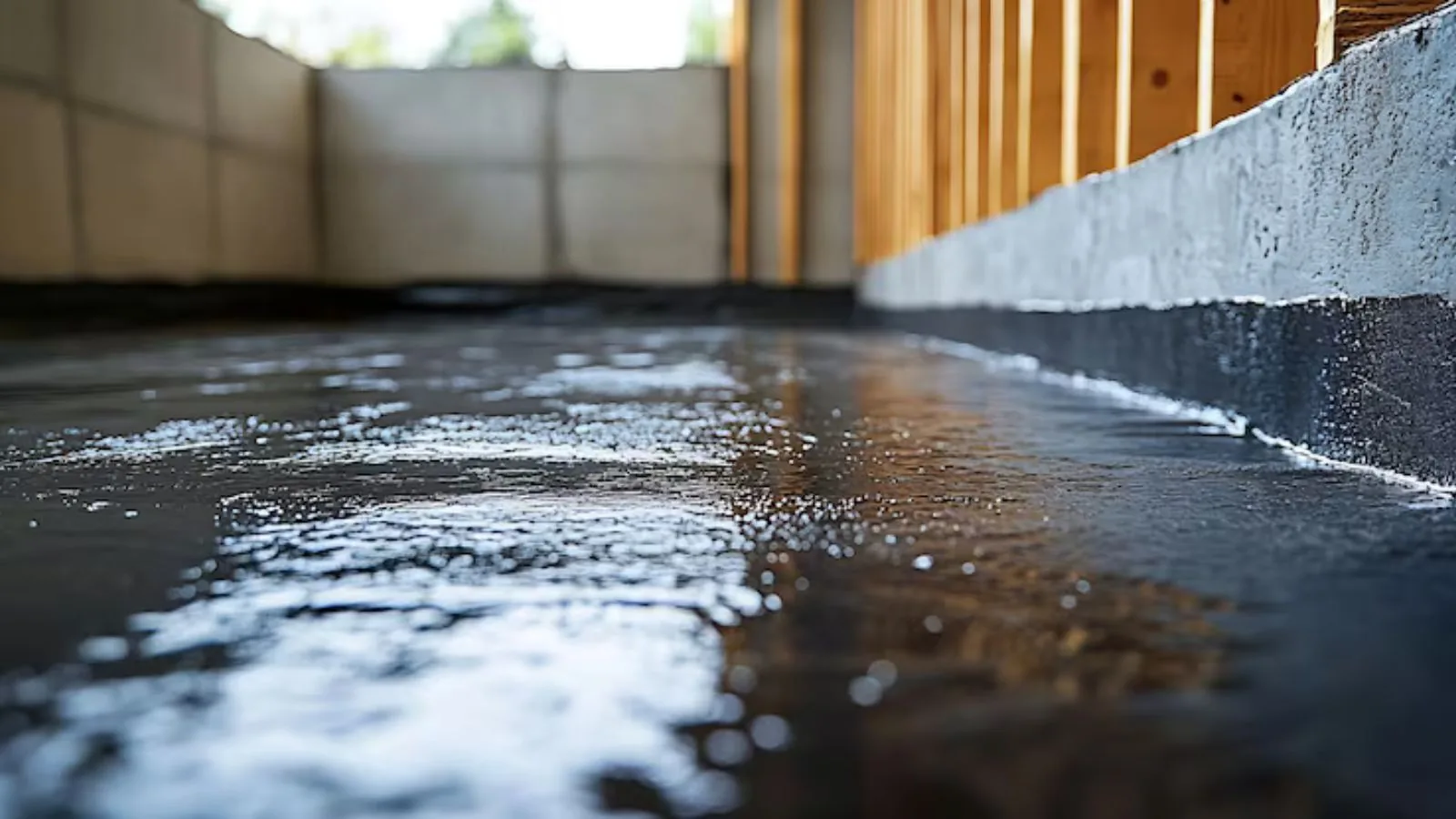
If your basement takes on water after heavy rain or during a spring thaw, that's most often groundwater pressure building up against the foundation faster than it can drain away, or a specific crack or gap letting it in directly. Basements are common throughout Delaware County, and the same freeze-thaw cycle that bursts exposed pipes also expands and contracts foundation cracks year over year, which is why a small, tolerable seep can turn into a real problem after several winters.
"Basement waterproofing" is the general term for fixing that entry point, whether the actual fix ends up being exterior grading, a sump pump system, an interior drainage channel, or sealing a specific foundation crack. Which one is right depends on where the water is actually coming from, which is why we inspect before quoting rather than proposing one standard package to every house.
Why This Shows Up More in Some Delaware Homes Than Others
Homes near the Olentangy River and in lower-lying parts of Delaware County sit closer to the local water table, which means groundwater pressure against the foundation is a real, ongoing factor rather than a one-time weather event. Older homes near downtown Delaware, built before modern foundation waterproofing membranes were standard, are more likely to rely on aging exterior grading and gutter drainage alone, which degrades over decades even when the foundation itself is sound.
A newer build on higher ground elsewhere in the county may only see basement water during an unusually heavy storm. That points toward a grading or gutter fix rather than a full interior drainage system, another reason a real inspection matters more than a standard quote.
What We Check Before Recommending Anything
We look at where the water actually enters, whether that's a visible crack, a cove joint where the wall meets the floor, or a window well. We also check whether it happens during rain, during snowmelt, or constantly regardless of weather, since each pattern points to a different cause. And we check whether an existing sump pump is present, working, and correctly sized for the basement's real square footage, since a common finding is a pump that's simply too small or too old for the job.
A single confirmed crack often needs only an interior or exterior sealant injection. A basement with water entering along multiple walls or through the floor cove typically needs an interior drainage channel routed to a sump pump instead, which is a larger job but the more durable fix for that specific pattern.
What to Check Before You Call
A few minutes of your own observation before we arrive genuinely speeds up an accurate diagnosis. Note whether the water shows up during active rain, in the day or two after snow melts, or seemingly all the time regardless of weather, since that timing is one of the strongest clues to the actual cause.
Check whether your sump pump's outdoor discharge line is frozen or blocked by ice or debris if it's winter, since a pump that's running but not actually discharging looks identical to a pump that has failed outright. Move boxes, storage, or anything on the floor away from the affected wall so the area is safe to inspect, and take photos of the water line on the wall or floor before any cleanup, which matters if you end up filing an insurance claim.
What Basement Waterproofing Costs in Delaware, OH
For a confirmed, isolated crack with no broader pattern of water entry.
Often paired with drainage work. Battery backup adds to this range.
For water entering along a cove joint or multiple points on the same wall.
- Entry pattern. A single crack costs far less to address than water entering along multiple walls.
- Existing sump pump condition. A working, correctly sized pump can sometimes be kept in place, lowering total cost.
- Basement finish level. A finished basement adds cost if drywall or flooring needs removal to reach the source.
These ranges are for general reference only. Call (513) 796-9381 for your real number.
Basement Waterproofing Questions From Delaware Homeowners
Yes. This is non-emergency work, so we inspect the basement, identify the actual water entry point, and provide a free written estimate before any work begins.
Sometimes, but not always. A sump pump manages water that's already collecting, but if the real problem is a specific foundation crack or failing exterior grading, addressing that source directly is often more effective than relying on a pump to keep up with it.
That pattern usually points to groundwater pressure from melting snow saturating the soil around your foundation faster than it drains, which is common in lower-lying parts of Delaware County near the Olentangy River. It's different from a crack that leaks during any heavy rain, and the fix is often different too.
Other Ways We Help Delaware Homeowners
A wet basement is frequently tied to a sump pump that's undersized or failing, and if water has already caused real damage to flooring or drywall, our water damage restoration team handles that cleanup separately from the waterproofing fix itself. We provide free waterproofing estimates throughout Delaware County.
Wet Basement After the Last Storm?
Call for a free inspection and written estimate in Delaware, Ohio.
☎ Call (513) 796-9381